The African Continent has gradually been growing, offering extensive natural resources, a young and increasingly
educated workforce, more stability in terms of governance and higher prospects for economic growth.

WHY AFRICA?

GLOBAL VISION
Africa Is the Next Big Investment Destination, the second fastest-growing region in the world.
Multiple indicators suggest that Africa has entered a cycle of strong economic growth that will match that experienced by Asia over the past decades, it now has the fastest-growing middle class in the world, by 2060 the number of middle-class Africans is projected to grow to 1.1 billion (42% of the population)
Africa presents a high growth potential with seven of the ten fastest growing economies in the next three years being in Africa.
With its natural resources reserves, large consumer market, strongly increased investment and strong growing demography, Africa is, at the moment, in between the most worldwide attractive investment destination
However, foreign investors have not moved into the continent as quickly as expected because foreign investment decisions are often methodically over structured.
One of the major factors cited is too much risk. But risks and profits are inseparable twins: high-risk ventures are frequently associated with higher profits.
Africa’s economic growth prospects are among the world’s brightest. Six of the world’s 12 fastest-growing countries are in Africa (Ethiopia, Democratic Republic of the Congo, Côte d’Ivoire, Mozambique, Tanzania, and Rwanda). Further, between 2018 and 2023, Africa’s growth prospects will be among the highest in the world.
To maximize this rapidly expanding market size, huge investments are needed in order to transform the economic-structural reality of Africa
PROFITABILITY
Africa is definitely the most profitable region in the world. A report by the UN Conference on Trade and Development states that between 2006 and 2011, Africa had the highest rate of return on inflows of Foreign Direct Investment: 11.4% compared to 9.1% in Asia, 8.9% in Latin America
Investing in Africa is, so, becoming day by day a sounder business and sustainable corporate strategy.
RAPID URBANISATION
The reality is: Rapid growth of a population in urban areas with increasing purchasing power
The continent’s population is predicted to quadruple from 1.19 billion in 2015 to 4.39 billion by 2100.
In 2019 alone, 250 million Africans entered the consumer goods market.
One in five people in the world will be African by 2025, with a population expected to double by 2050 to 2.5 billion.
Half of the continent’s 1 billion population is of working age (15 – 64 years old) and average GDP growth now exceeds population growth.
This growth will make Africa one of the only regions in the world with a correlated growth mass of consumers versus labour.
Africa is expected to have the largest labour force by 2034, ahead of India and China, 80% of this population growth is expected to be in cities.
West Africa itself has a population of over 350 million, 44% of whom are under the age of 15.
Population growth of 2.7% and rapid urbanization, currently at 45% and projected to exceed 50% by 2021, creates strong growth for consumer oriented businesses as consumption trends increase
YOUTHFUL POPULATION
Africa’s growing, youthful population, amidst an aging population in most other regions, constitutes a formidable market.
Africa’s youthful population contributes to an abundancy of labour, which is one of the region’s highest potentials for labor-intensive industrialization, and lowers production costs, leading to benefits that far outweigh the cost of doing business on the continent.
The hourly wage in Africa is less than 50 cents (for example, it’s $0.27 in Mozambique, $0.34 in Nigeria and $1.62 in Morocco) compared to $10.49 in UK, $7.25 in the USA and $6.57 in Japan.
The investment of more foreign companies may help raise wage rates in Africa, improve labour market efficiency and generate additional resources for those left behind on the age ladder.
MACROECONOMIC IMPROVEMENT
Over the past decade, the elimination of debt, the improvement of political and macroeconomic management and the high price of raw materials have radically changed the continent’s financial position relative to the rest of the world. African debt-to-GDP ratios are now generally the envy of the EU.
Issues such as democratization and reform are making slow but steady progress while rapid changes are occurring in areas such as technology, urbanization and an increasingly affluent population.
Fundamentally, governments are recognizing the importance of creating a favourable climate for business and investment.
The independence of the institutions and the rule of law continue to improve.
The development of the financial market infrastructure that provides a framework for increasing domestic savings and investment continues to gain step by step.
Aid is becoming smarter and is being replaced by investment.
The middle class with disposable income is growing rapidly and spreading wealth rapidly.
A trickle of well-educated and skilled diaspora is returning home and threatening to become a flood.
The enormous wealth of natural resources from minerals, oil and gas to agriculture across the continent is starting to develop seriously.
The benefit of a late start and rapid technology adoption both contribute to an already exciting picture.
Over the next decade and beyond, the continent is likely to experience the highest growth rates in the world.
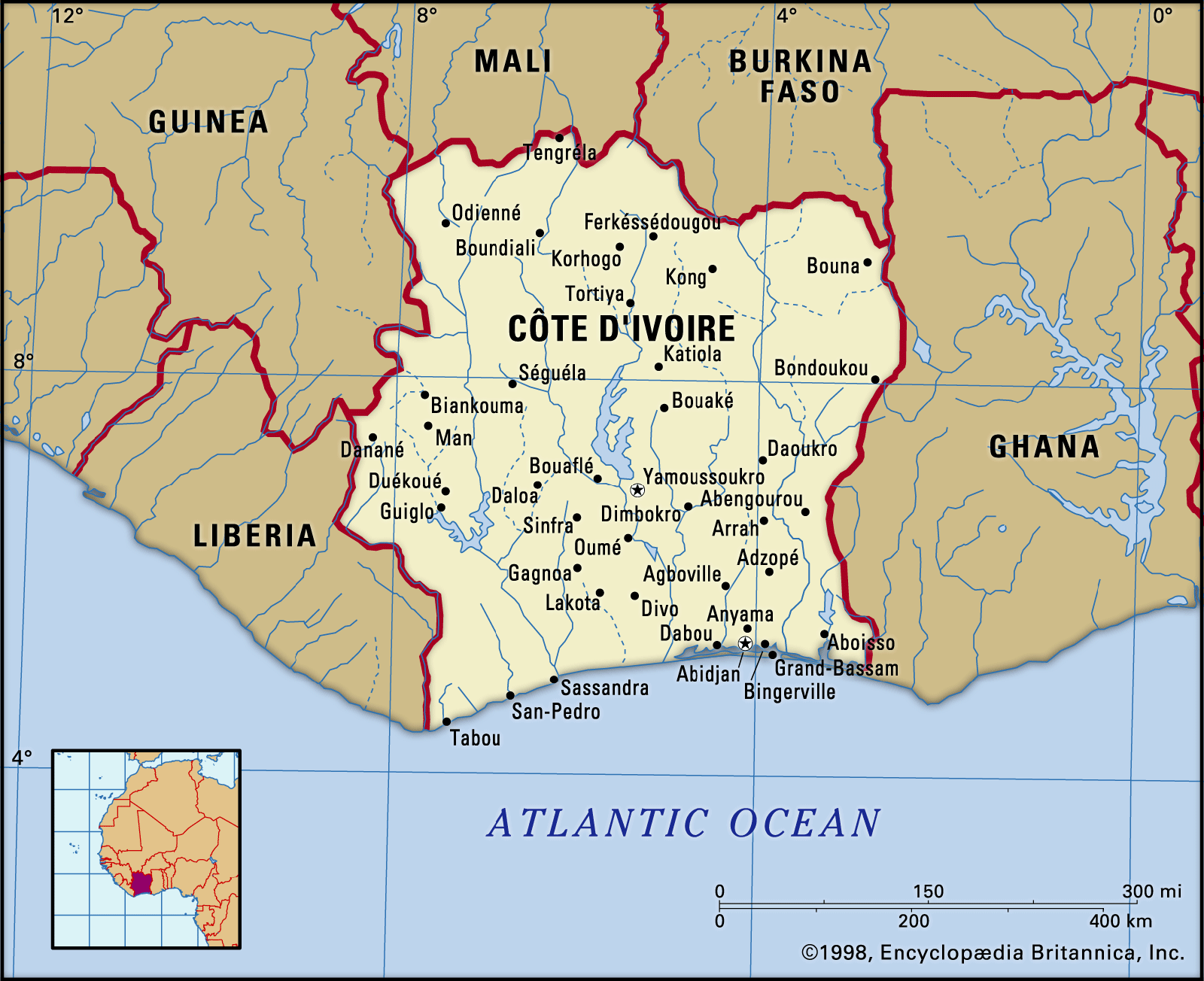
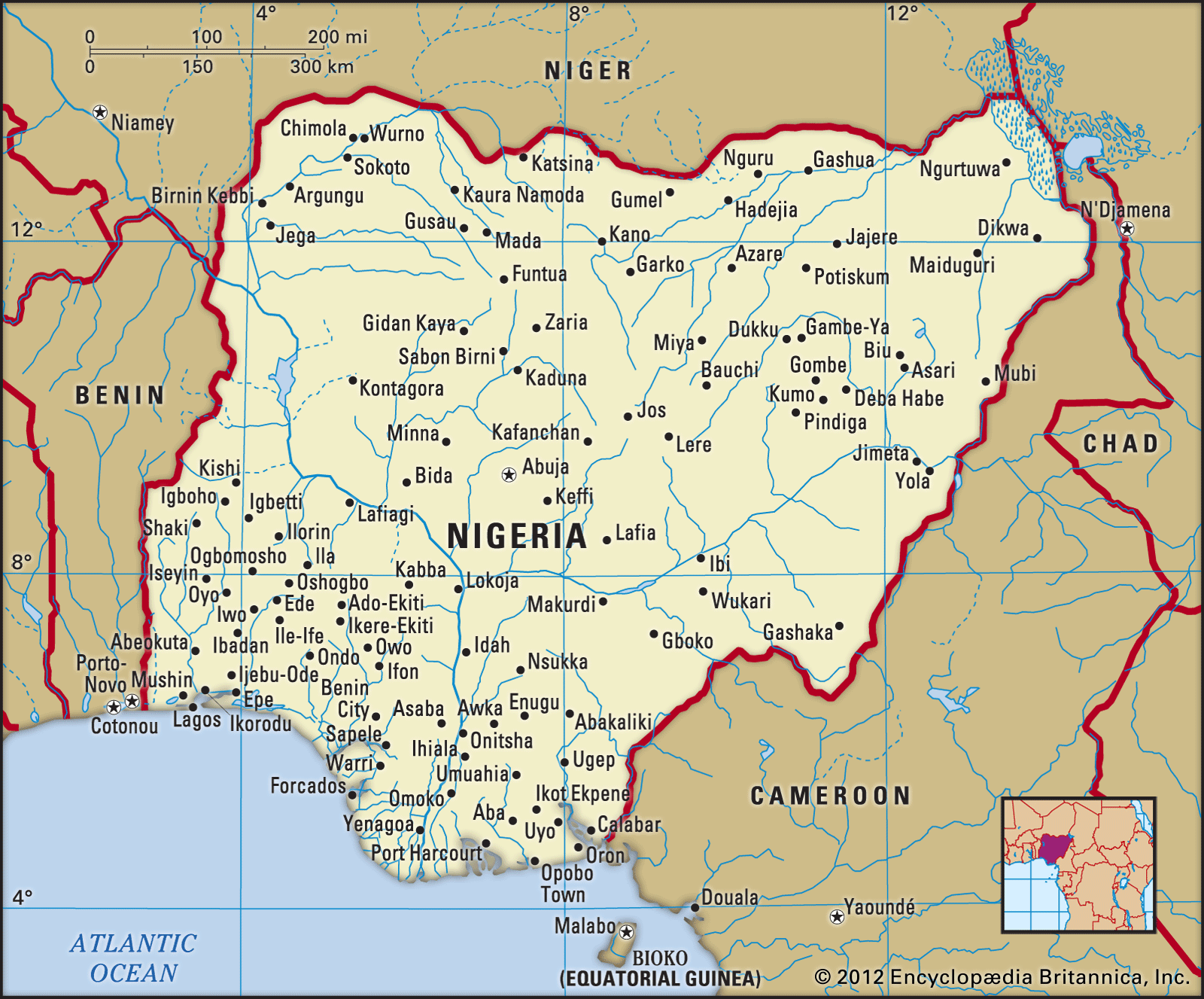
SHORT INFOS on COTE D’IVOIRE and NIGERIA
COTE D’IVOIRE
Côte d’Ivoire, Francophone West Africa’s economic hub, is one of the world’s fastest growing economies and remains the globe’s leading producer and exporter of cocoa beans and cashew nuts in addition to be the largest economy in the West African Economic and monetary Union.
NIGERIA
The economy of Nigeria is the 26th world economy by nominal GDP and is the first of the African continent.
Nigeria accounts for about half of West Africa’s population with approximately 202 million people and one of the largest populations of youth in the world.
With an abundance of natural resources, it is Africa’s biggest oil exporter, and has the largest natural gas reserves on the continent.
The incumbent president, Muhammadu Buhari has identified fighting corruption, increasing security, tackling unemployment, diversifying the economy, enhancing climate resilience, and boosting the living standards of Nigerians as main policy priorities.
Construction continues to perform positively, supported by ongoing megaprojects, higher public investment in the first half of the year 2020, and import restrictions.
Despite expansion in many sectors, employment creation remains weak and insufficient to absorb the fast-growing labour force, resulting in high rate of unemployment (23% in 2019), with another 20% of the labour force underemployed.
In the end…
Investing in all Africa and mainly West Africa is good business and a sustainable corporate strategy for foreign investors.
Invest in Africa: High Profitability Business

CONTACTS
For any inquiry, please contact us at contacts@ibtprojects.com
LOCATION
Unit 803, 8/F, Tai Tung Building, 8 Fleming
Road, Wanchai, Hong Kong
ALL RIGHTS RESERVED BY INTERNATIONAL BUSINESS TRADING LTD